




Denver sits at 5,280 feet where the air is thin and dry. Your HVAC system works harder here than it would at sea level. Compressors strain in low-density air. Evaporator coils freeze faster when humidity drops below 20 percent in winter. The temperature can swing 40 degrees in a single day, forcing your system to switch from heating to cooling and back again.
Our soil expands and contracts with moisture changes, shifting foundations and ductwork. Those movements create gaps where conditioned air escapes into crawl spaces and attics. Homes in Park Hill and Congress Park built before 1960 often have undersized ductwork that can't handle modern high-efficiency systems.
The Front Range gets intense UV exposure that degrades outdoor unit housings and refrigerant lines faster than in lower elevations. Hail storms pummel condenser coils. Spring winds fill outdoor units with cottonwood seeds and debris. Your system faces conditions that equipment in Kansas City or St. Louis never sees.
We've been fixing broken furnaces and air conditioners in Denver since 2008. Our technicians train specifically on high-altitude HVAC performance and the problems that come with thin air and wild temperature swings. We stock parts for the brands installed in 80 percent of Denver homes, so we fix most problems on the first visit without ordering components or making you wait three days.
Every truck carries diagnostic equipment calibrated for our elevation. We don't guess about refrigerant charge or airflow. We measure static pressure, superheat, and subcooling against altitude-adjusted charts. Most contractors use sea-level tables and wonder why systems fail six months after installation.
Our dispatch system prioritizes emergency calls. When your heat dies on a January night, you get a callback within 15 minutes and a technician within four hours. We don't make you wait until Monday or stick you on a list behind routine maintenance calls.
We pull permits for all furnace replacements and AC installations. City inspectors know our work. We follow Denver's mechanical code and the IRC standards for duct sizing and combustion air. Shortcuts kill efficiency and create carbon monoxide risks. We do it right the first time because fixing someone else's hack job costs you twice as much.

When your system fails, we respond the same day. No waiting until next week or getting stuck on a callback list. Our technicians drive stocked trucks and carry the parts that fail most often in Denver homes. Most repairs finish in one visit.

Thin air changes how HVAC systems work. Our technicians train on high-altitude diagnostics and use measurement tools calibrated for 5,280 feet. We adjust refrigerant charge and airflow for Denver's elevation, not sea-level standards that don't apply here.
We pull permits for every furnace replacement and central air installation. Our work gets inspected by the city and meets Denver mechanical code requirements. Unpermitted work puts your home insurance at risk and creates safety hazards you won't discover until it's too late.
We live and work in the Denver metro. Our warehouse sits off I-25, so we reach homes in Highlands, Stapleton, and Littleton fast. We're not a national franchise routing calls to whoever answers. You call us, you get us.
Your heating and cooling system includes multiple components that all need to work together. The furnace, air conditioner, ductwork, thermostat, and ventilation system form a connected network. When one part fails, it stresses the others. We service the entire system, not just the obvious broken component.
Fortress HVAC Denver handles emergency repairs, planned replacements, and preventive maintenance. We fix what's broken today, help you plan for equipment that's near the end of its life, and keep systems running efficiently with seasonal tune-ups. Most HVAC problems in Denver fall into three categories based on urgency and scope. Understanding which service you need helps you get the right response time and avoid paying for more than necessary.
When your furnace won't ignite or your AC blows warm air, you need a technician today. We diagnose failed components, replace broken parts, and restore heating or cooling within hours. Common emergency repairs include failed ignitors, capacitor replacements, refrigerant leak repairs, blower motor replacements, and thermostat failures. We stock the parts that break most often in Denver systems, so most emergency calls end with a working system the same day.
Equipment older than 15 years costs more to run and breaks down often. We replace furnaces, central air conditioners, and heat pumps with high-efficiency models sized correctly for Denver's climate. The installation includes load calculations, duct modifications if needed, proper refrigerant charge for our altitude, and combustion air adjustments. We pull permits and schedule inspections. The new system works right from day one and cuts your utility bills compared to the old equipment.
Preventive maintenance catches small problems before they become emergency repairs. Our fall furnace tune-up includes cleaning the burners, testing the heat exchanger for cracks, checking gas pressure, and verifying carbon monoxide levels. Spring AC maintenance includes cleaning coils, checking refrigerant charge, testing capacitors, and measuring airflow. Regular maintenance extends equipment life by three to five years and reduces energy costs by keeping the system clean and properly adjusted.
Denver's climate and elevation create specific HVAC challenges you won't find in other cities. The combination of altitude, dry air, temperature swings, and soil movement stresses heating and cooling equipment in ways that shorten component life and increase repair frequency.
Homes in older neighborhoods like Washington Park and Bonnie Brae face different problems than newer construction in Stapleton or Green Valley Ranch. Understanding what typically fails helps you recognize warning signs before you're stuck without heat in February or cooling in August. These four issues account for most service calls we run in the Denver metro area.
Modern furnaces with 90-plus percent efficiency ratings run cooler exhaust gases that condense inside the heat exchanger. Denver's dry air and temperature extremes accelerate metal fatigue. Cracks leak carbon monoxide into your home. We test every heat exchanger during fall maintenance and replace cracked units immediately to prevent poisoning risks.
When indoor humidity drops below 30 percent in winter, moisture on AC coils freezes even when outdoor temperatures stay above freezing. Ice blocks airflow and stresses the compressor. The problem gets worse at altitude where air holds less moisture. We check airflow, clean coils, and verify refrigerant charge to prevent freeze-ups that damage expensive components.
Colorado's bentonite clay soil swells when wet and shrinks when dry. The movement shifts foundations and separates ductwork joints in crawl spaces and attics. Gaps waste 20 to 40 percent of conditioned air. We seal duct connections with mastic and add supports to prevent future separation as soil moves through wet and dry cycles.
Denver gets 300 days of sunshine and intense UV radiation at high altitude. The combination degrades capacitors faster than in lower elevations. Hail storms dent condenser housings and damage electrical components. Failed capacitors prevent compressors and blower motors from starting. We stock replacement capacitors for all major brands and replace them during the same visit.
HVAC emergencies are stressful. Your house is too hot or too cold, and you don't know how much the repair will cost or how long you'll be uncomfortable. We remove the uncertainty by following a clear process that keeps you informed from the first phone call to the final test.
You talk to a real person who knows HVAC, not a call center reading scripts. We ask specific questions about your system and symptoms to send the right technician with the right parts. You get accurate time windows, honest price quotes before work starts, and explanations about what broke and why. Here's exactly what happens when you work with us.
Call us and a trained dispatcher answers. No phone trees or voicemail. We ask about your symptoms, check your address, and give you a time window for technician arrival. You receive a text when the technician is 30 minutes away with their name and photo. The technician calls if they hit traffic or finish an earlier job sooner than expected. You always know when help is arriving.
The technician tests your system with diagnostic tools and explains what failed in terms you understand. You get a written quote before any repair work starts. The price includes parts, labor, and disposal fees. No hidden charges or surprise bills. If you need to think about it or get a second opinion, that's fine. We don't pressure you or make up urgent problems that don't exist.
After the repair, the technician tests the system through a complete heating or cooling cycle to verify it works correctly. You get a one-year warranty on labor and manufacturer warranties on parts. We call you in 48 hours to confirm everything still runs properly. If something isn't right, we come back and fix it at no additional cost.
We've streamlined HVAC service into three clear steps that get your system running fast without confusion or wasted time. You know what to expect at each stage.
Call (720) 502-9511 and describe the problem. Our dispatcher asks diagnostic questions about symptoms and checks technician availability. You get a four-hour arrival window for emergency calls or scheduled appointment times for non-urgent service. We send a confirmation text with technician details and estimated arrival. The technician brings common parts based on your system type and reported symptoms.
The technician inspects your system, tests components, and identifies the failed part. You receive a written quote covering parts and labor before work begins. Once you approve, the technician completes the repair and tests the system through multiple cycles. Most repairs finish in one to two hours. If we need to order a part, we provide temporary solutions when possible and return to complete the work.
After repairs finish, the technician demonstrates that your heating or cooling works properly. You get documentation of the work performed, parts installed, and warranty coverage. We clean up completely and haul away any removed components. A follow-up call checks that your system continues running correctly 48 hours later. Your repair carries a one-year labor warranty and full manufacturer coverage on parts.
Denver enforces the International Mechanical Code and International Residential Code with local amendments. Any furnace replacement, central air installation, or ductwork modification requires a permit from Denver Community Planning and Development. The permit process ensures your system meets combustion air requirements, gas line sizing, electrical capacity, and refrigerant handling standards.
Furnaces installed in Denver must include Category IV venting when efficiency ratings exceed 90 percent. The PVC vent pipes must slope properly for condensate drainage and terminate at least 12 inches above grade. Combustion air intakes require screens to prevent blockage from debris and ice.
Air conditioning systems need refrigerant charge adjusted for our elevation. The standard superheat and subcooling tables published by equipment manufacturers assume sea-level air density. At 5,280 feet, reduced air pressure affects heat transfer in evaporator and condenser coils. Technicians must use altitude-correction factors or systems run inefficiently and fail early.
Ductwork sizing follows Manual D calculations based on your home's actual heat loss and gain. Undersized ducts create high static pressure that strains blower motors and reduces airflow. Oversized ducts waste energy and create comfort problems from short cycling. We measure duct velocity and static pressure with a digital manometer, not guesswork.
Gas line sizing must account for pipe length and BTU load. A 3/4-inch black iron pipe that works fine for 50 feet becomes undersized at 100 feet when feeding a 100,000 BTU furnace. Undersized gas lines cause low inlet pressure, incomplete combustion, and sooting that damages heat exchangers.
Denver requires permits for all furnace replacements and AC installations. The inspection verifies combustion air, venting, gas line sizing, electrical connections, and refrigerant charge. Unpermitted work violates building codes and creates insurance problems if equipment fails or causes damage. We pull permits and schedule inspections for every installation.
Repair costs depend on which component failed and how hard it is to access. Replacing a capacitor costs less than replacing a compressor. Parts for high-efficiency equipment cost more than standard models. Emergency service after hours carries premium pricing. Older systems may need discontinued parts that take longer to source. We provide exact quotes before starting work.
Furnaces last 15 to 20 years with regular maintenance. Air conditioners typically run 12 to 15 years before major components fail. High-altitude operation and temperature extremes reduce lifespan compared to milder climates. Systems that skip annual tune-ups fail sooner and cost more to operate. Plan for replacement when equipment reaches 80 percent of expected life.
Air conditioning systems need different refrigerant charge at 5,280 feet than at sea level. Thin air changes evaporator and condenser performance. Technicians must measure superheat and subcooling, then adjust charge using altitude-correction charts. Systems charged to sea-level specs waste energy and fail early from improper refrigerant flow.
This video explains how Denver's elevation, climate, and soil conditions create unique HVAC challenges that reduce equipment lifespan and increase repair frequency. Topics include altitude effects on refrigerant charge and compressor performance, soil movement damage to ductwork, UV degradation, capacitor failures, and heat exchanger stress from temperature extremes. The video covers Denver mechanical code requirements, proper system sizing for high-altitude operation, and maintenance strategies that prevent emergency breakdowns in Colorado's demanding climate.
Fortress HVAC Denver services homes throughout the Denver metro area from our location off I-25. We run calls in established neighborhoods like Capitol Hill, where older homes built in the 1920s and 1930s often have undersized ductwork and original cast iron radiators converted to forced air. The narrow lots and proximity to downtown make these homes dense and walkable, but the HVAC systems need creative solutions for modern comfort.
Park Hill and Stapleton sit northeast of downtown with a mix of mid-century ranch homes and new construction. The soil conditions in this area cause foundation movement that separates ductwork connections. We seal a lot of crawl space ducts in these neighborhoods where clay soil swells and shrinks through the seasons.
South Denver communities like Washington Park, Bonnie Brae, and University Hills feature brick bungalows and two-story homes from the 1940s through 1960s. These homes have basements that work well for furnace and air handler locations, but the duct systems often need modification to handle high-efficiency equipment. The tree-lined streets and mature landscaping provide shade that reduces cooling loads compared to newer subdivisions.
Highlands and Berkeley sit northwest of downtown along the South Platte River. The older housing stock here includes Victorian-era homes with additions and remodels that challenge HVAC design. We run a lot of zone system installations in these neighborhoods where room layouts don't match original floor plans.
Littleton, Englewood, and Cherry Creek form the southern part of our service area. These suburbs mix ranch homes from the 1960s with newer two-story construction. The proximity to the foothills means stronger winds that stress outdoor AC units and roof-mounted vents. We service homes all the way south to the Douglas County line and west toward the hogback ridges where elevation changes affect system sizing.
Our trucks reach addresses in Aurora and Commerce City east of I-25, where newer subdivisions need warranty service on recently installed equipment. The flat terrain and exposure to Front Range winds create different challenges than central Denver neighborhoods with mature trees and protected lots. We stock parts for the builder-grade systems common in these areas and respond to new homeowner questions about operation and maintenance.
The $5,000 rule is a quick calculation to decide between repair or replacement. Multiply your system's age by the repair cost. If the total exceeds $5,000, replacement makes more financial sense. For example, a 12-year-old furnace needing a $500 repair equals $6,000, suggesting replacement. Denver's high-altitude conditions and temperature swings stress HVAC systems, often accelerating wear. This rule helps you avoid throwing money at an aging system that will fail again soon. Factor in energy efficiency gains with new equipment, especially important during Denver's cold winters and warm summers.
You need a contractor who understands Denver's unique climate challenges, including altitude adjustments, temperature extremes, and dry air conditions. Look for proper load calculations specific to your home, not generic estimates. Experience with local building codes and permit requirements matters. Check for transparent pricing, factory-certified technicians, and brands suited to high-altitude performance. Ask about warranty coverage and emergency service availability during Denver's unpredictable weather. A quality installer will assess your ductwork, insulation, and existing infrastructure before recommending equipment sized correctly for Denver's climate demands.
Full HVAC replacement in Denver typically ranges from mid-range to premium pricing, depending on system size, efficiency rating, and installation complexity. Denver's altitude requires specific equipment adjustments, which can affect cost. Factors include your home's square footage, ductwork condition, existing infrastructure, and whether you need both heating and cooling. High-efficiency systems cost more upfront but save significantly on utility bills during Denver's temperature extremes. Expect higher costs for multi-zone systems, advanced filtration for dry Colorado air, or homes requiring ductwork modifications. Get multiple detailed quotes comparing equipment specs and warranties.
The $5,000 rule is a quick calculation to decide between repair or replacement. Multiply your system's age by the repair cost. If the total exceeds $5,000, replacement makes more financial sense. For example, a 12-year-old furnace needing a $500 repair equals $6,000, suggesting replacement. Denver's high-altitude conditions and temperature swings stress HVAC systems, often accelerating wear. This rule helps you avoid throwing money at an aging system that will fail again soon. Factor in energy efficiency gains with new equipment, especially important during Denver's cold winters and warm summers.
You need a contractor who understands Denver's unique climate challenges, including altitude adjustments, temperature extremes, and dry air conditions. Look for proper load calculations specific to your home, not generic estimates. Experience with local building codes and permit requirements matters. Check for transparent pricing, factory-certified technicians, and brands suited to high-altitude performance. Ask about warranty coverage and emergency service availability during Denver's unpredictable weather. A quality installer will assess your ductwork, insulation, and existing infrastructure before recommending equipment sized correctly for Denver's climate demands.
Full HVAC replacement in Denver typically ranges from mid-range to premium pricing, depending on system size, efficiency rating, and installation complexity. Denver's altitude requires specific equipment adjustments, which can affect cost. Factors include your home's square footage, ductwork condition, existing infrastructure, and whether you need both heating and cooling. High-efficiency systems cost more upfront but save significantly on utility bills during Denver's temperature extremes. Expect higher costs for multi-zone systems, advanced filtration for dry Colorado air, or homes requiring ductwork modifications. Get multiple detailed quotes comparing equipment specs and warranties.
A 3,000 square foot home in Denver typically needs a 3.5 to 5-ton air conditioner and an 80,000 to 120,000 BTU furnace. However, square footage alone does not determine proper sizing. Denver's altitude, your home's insulation quality, window efficiency, ceiling height, and sun exposure all affect load requirements. Oversized equipment short-cycles and wastes energy. Undersized systems struggle during temperature extremes. A proper Manual J load calculation accounts for Denver's climate zone, your home's orientation, and construction details. This ensures your system handles both January cold snaps and July heat efficiently without oversizing.
A 3,000 square foot home in Denver typically needs a 3.5 to 5-ton air conditioner and an 80,000 to 120,000 BTU furnace. However, square footage alone does not determine proper sizing. Denver's altitude, your home's insulation quality, window efficiency, ceiling height, and sun exposure all affect load requirements. Oversized equipment short-cycles and wastes energy. Undersized systems struggle during temperature extremes. A proper Manual J load calculation accounts for Denver's climate zone, your home's orientation, and construction details. This ensures your system handles both January cold snaps and July heat efficiently without oversizing.
Fortress HVAC is proud to serve the Denver area and surrounding communities. We invite you to view our location on the map, which highlights our service area. While we often come directly to you for services, knowing our central base can help you understand our reach. Feel free to contact us with any questions about our service coverage or to schedule an appointment directly.
Address:
Denver, CO, 80203
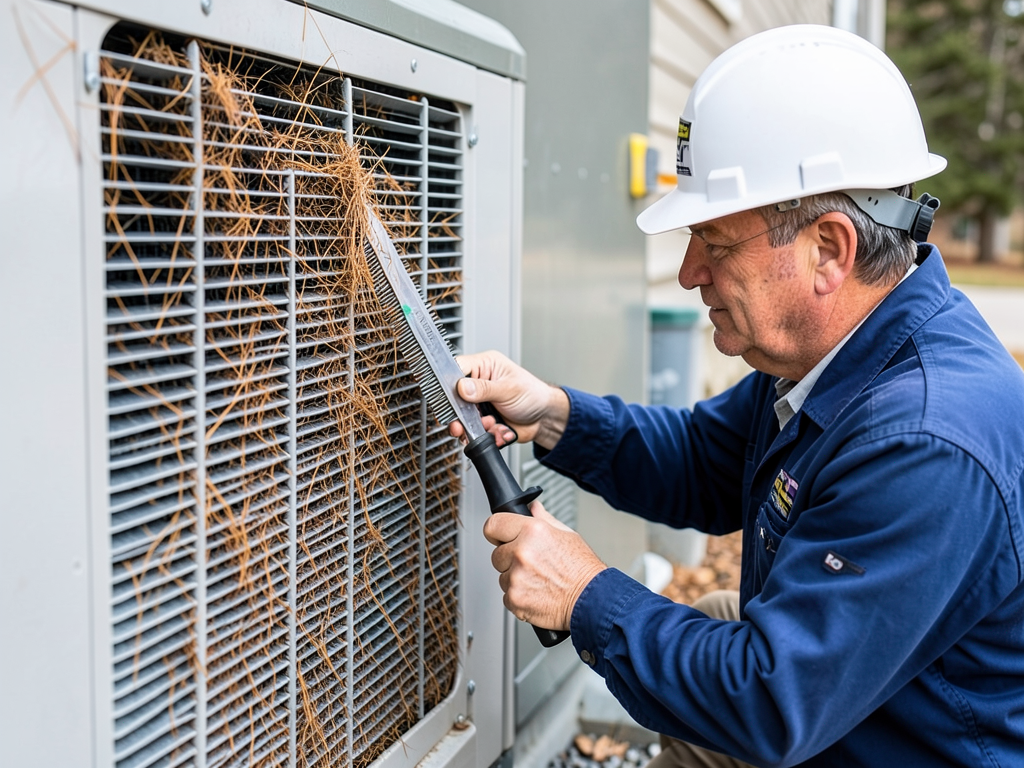
Why Pine Needles are a Unique Threat to Denver AC Units Living in Genesee means dealing with the beautiful but challenging mountain environment. The pine trees that give your property its scenic charm can wreak…

Why Your Gas Fireplace Should Not Be Your Only Heat Source in Golden\n\nGolden homeowners often…
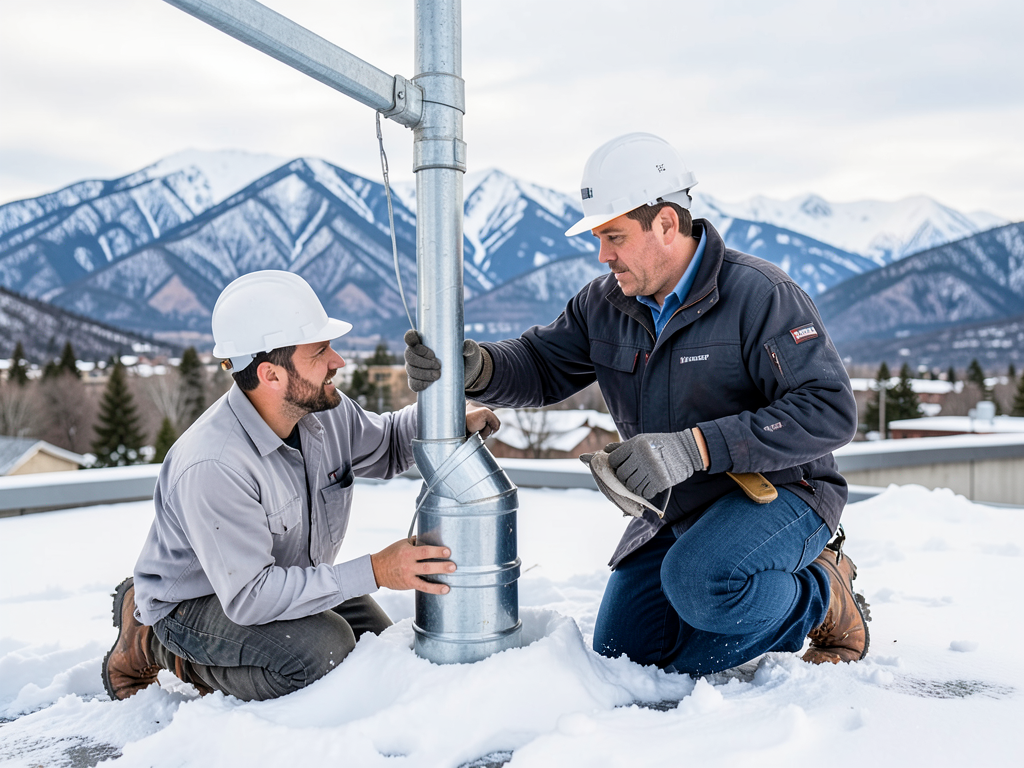
Why Your Furnace Venting Needs Special Attention in High Altitude Morrison Living at 5,800 feet…
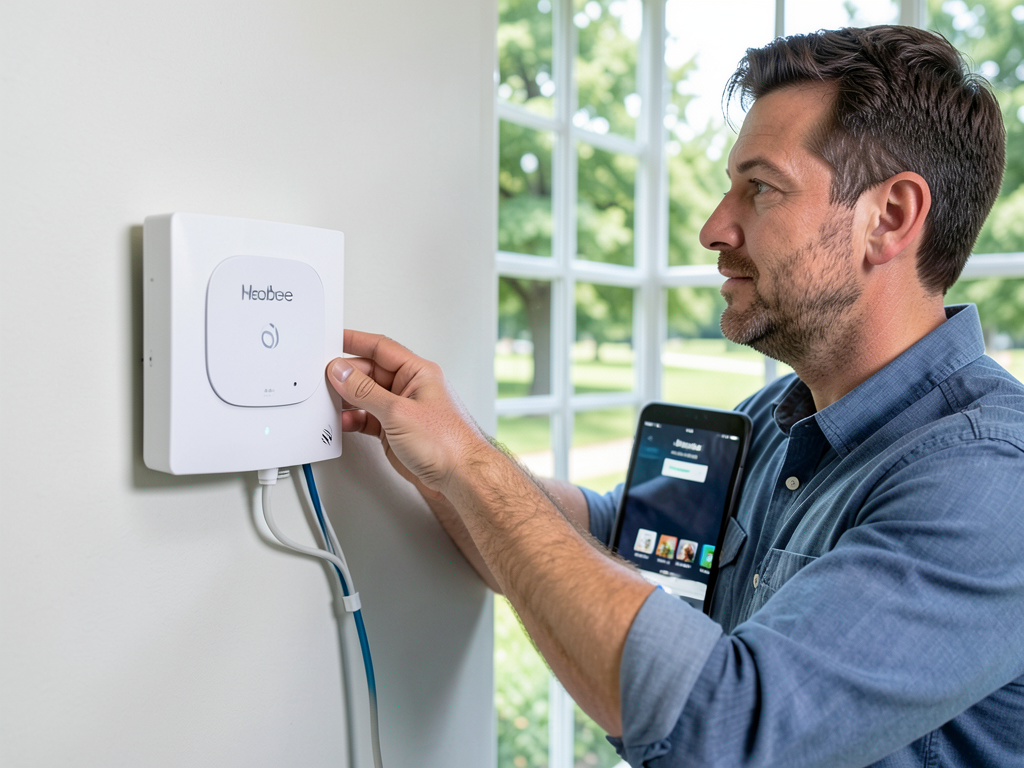
How to Integrate Your HVAC with Matter and Apple Home in Central Park Central Park…
Don't spend another hour uncomfortable in your own home. Call Fortress HVAC Denver now at (720) 502-9511 for same-day emergency service. Our technicians are dispatched and ready to restore your heating or cooling fast.